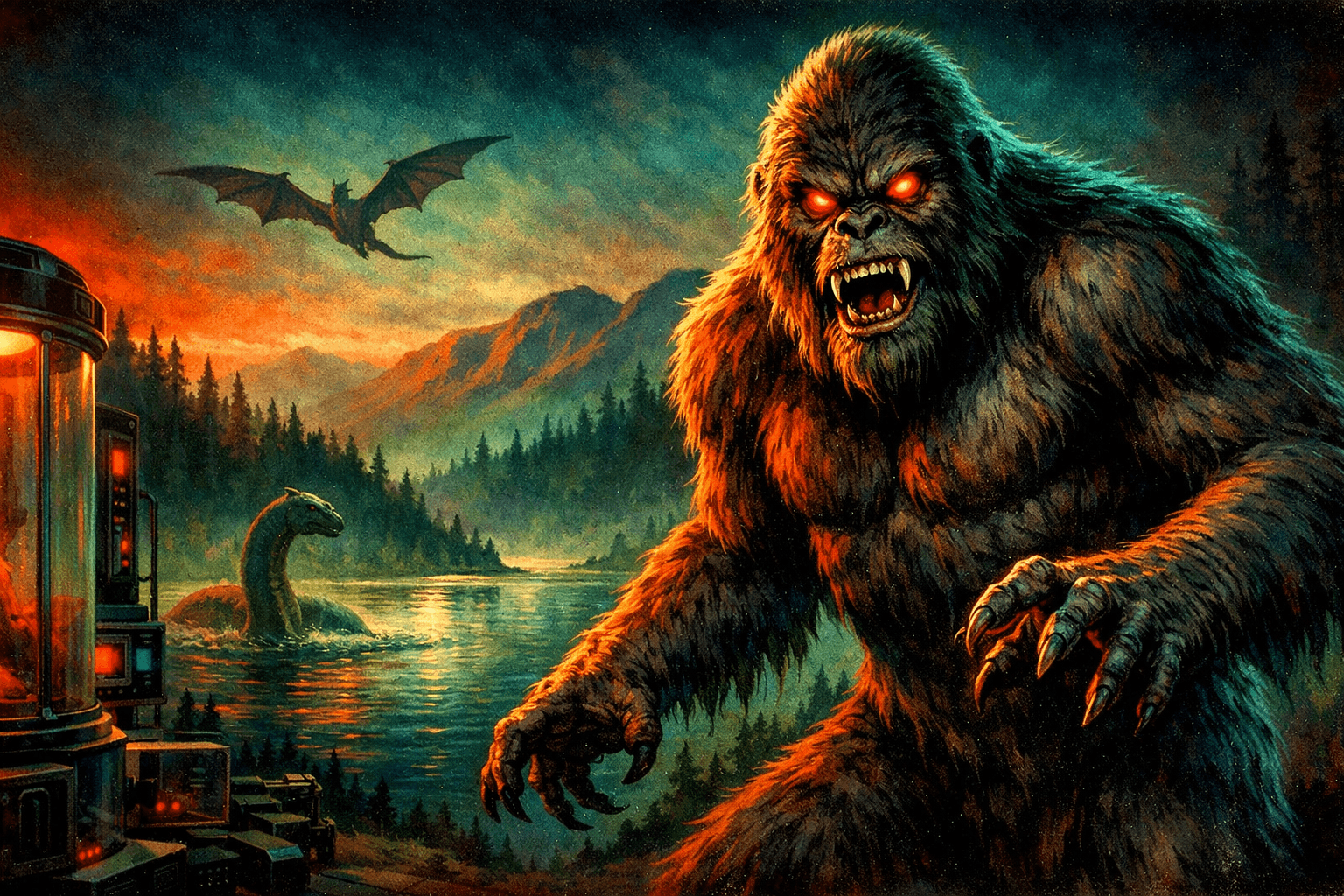
Cryptids, Creatures, and Hidden Beasts
A vast encyclopedia of cryptids, anomalous animals, folkloric beings, and unexplained creatures across history, folklore, religion, and witness reports.
From lake monsters and wild men to winged omens and reptilian entities—this archive bridges cryptozoology, folklore, witness testimony, and the symbolic patterns that connect creature lore across cultures and centuries.
An Archive of Hidden Life
This section is not a simple monster list. It is an encyclopedia of cryptids, hidden creatures, folkloric beasts, and unexplained entities drawn from witness reports, regional traditions, sacred texts, and the long history of humanity's fascination with creatures that dwell at the edges of the known world. Here you will find individual creature profiles—from Bigfoot and the Loch Ness Monster to Mothman and the Chupacabra—alongside regional creature traditions, lake and sea monsters, wild men and hairy hominids, winged and omen beings, reptilian and serpentine entities, and the folkloric beast traditions that have shaped how we tell stories about the unknown.
We also cover deep lore: the archetypes and patterns that recur across cultures, the overlap between cryptids and mythology or religion, theories from relict species to interdimensional beings, and the evidence—and skepticism—that surrounds sighting waves and encounter reports. Whether you approach this as cryptozoology, folklore studies, or cultural history, the archive is structured to support serious inquiry.
Creature traditions vary by landscape, belief system, and local identity. A lake monster in Scotland is not the same cultural object as a lake monster in British Columbia, yet both draw on shared human anxieties about what lurks in deep water. This archive respects those differences while making the connections visible.
Browse by Creature Type
Navigate the archive by taxonomy: wild men, aquatic monsters, winged beings, reptilian entities, and more.
All Creatures
Browse the full archive of cryptids, entities, and folkloric beings.
Open
Wild Men & Ape Beings
Sasquatch, Yeti, Orang Pendek, and the global wild man tradition.
Open
Lake & Aquatic Monsters
Loch Ness, Champ, Ogopogo, sea serpents, and water-dwelling cryptids.
Open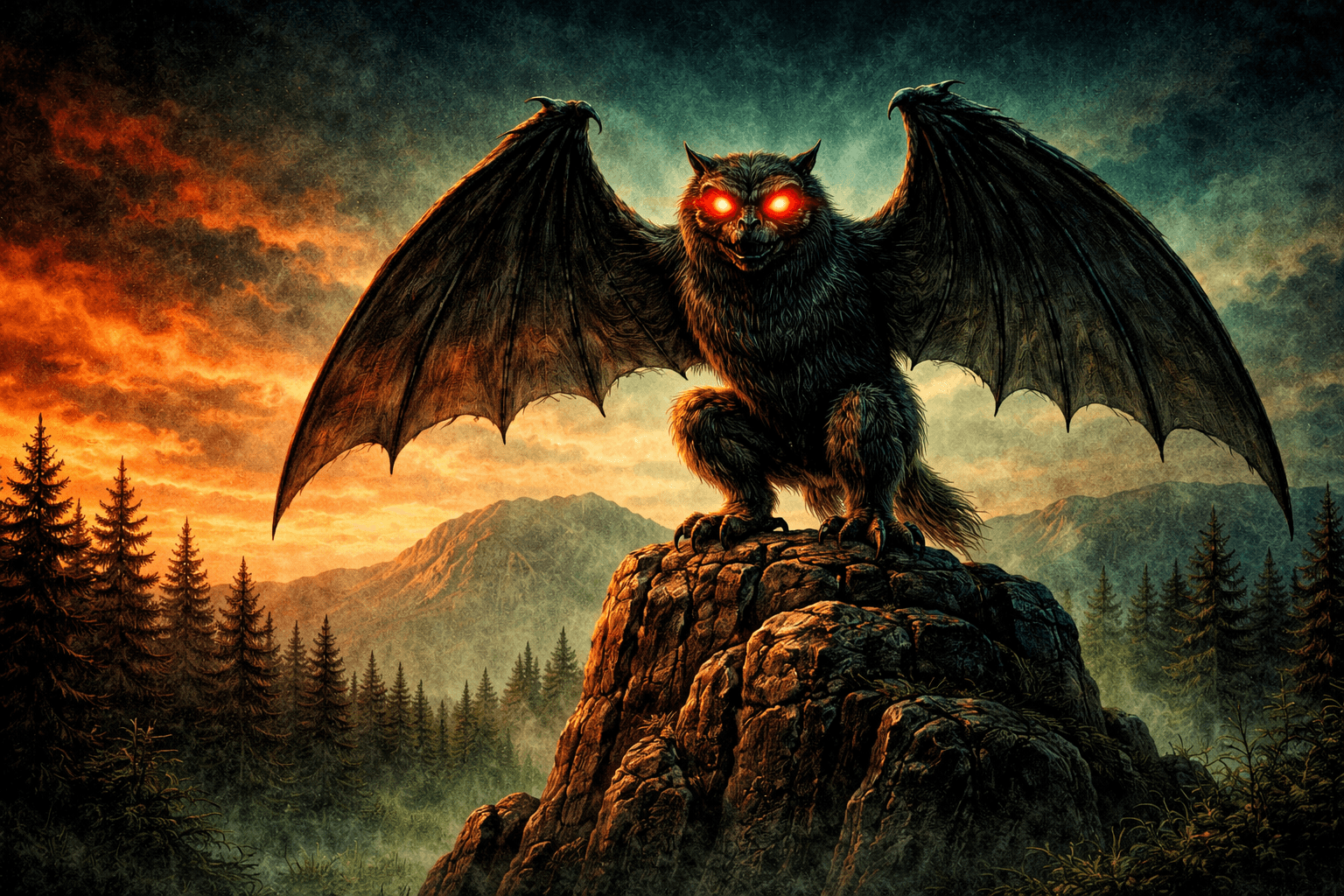
Winged Creatures
Thunderbird, Mothman, Jersey Devil, and winged humanoid traditions.
Open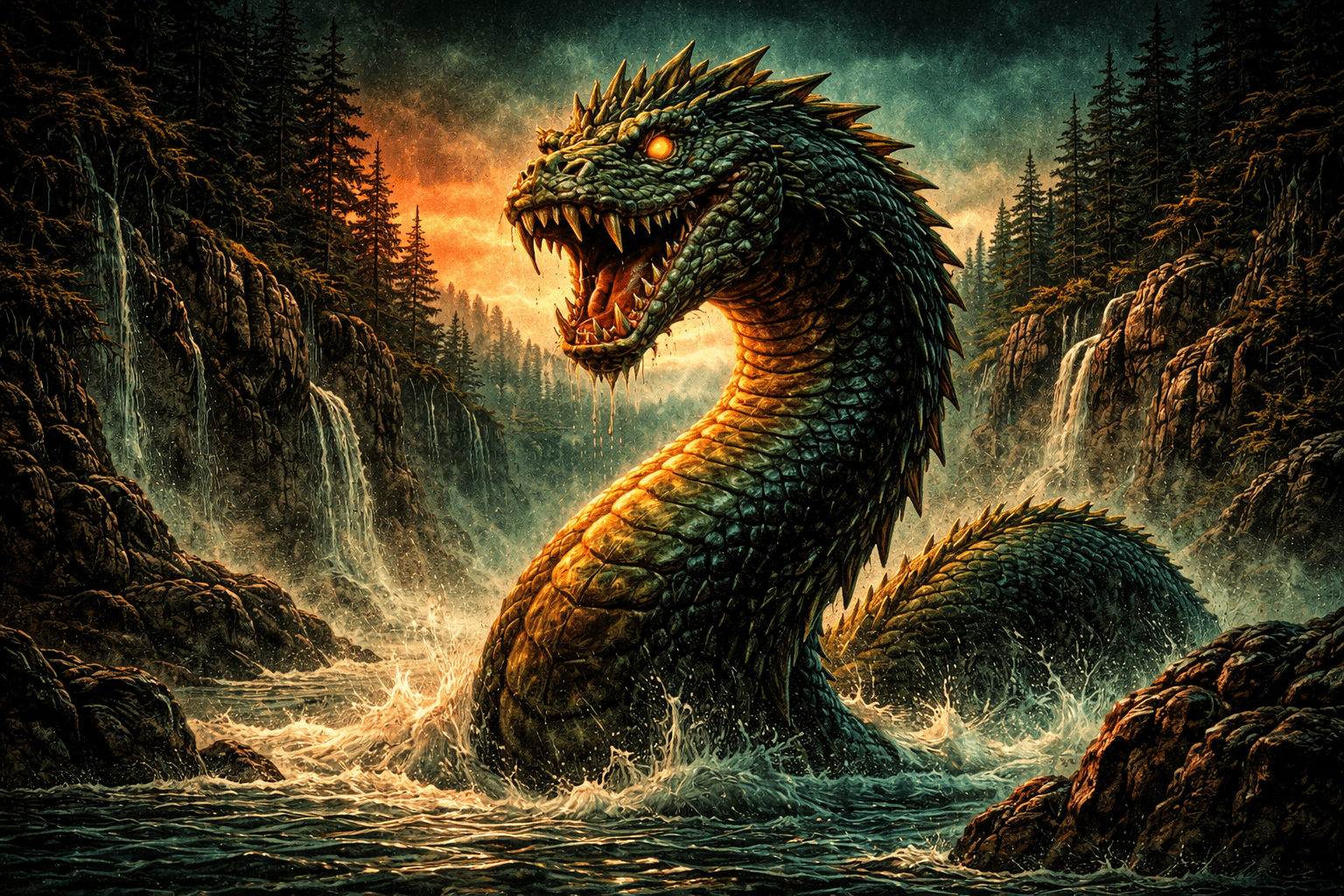
Reptiles, Serpents & Dragons
Dragon lore, giant serpents, and reptilian cryptid traditions worldwide.
Open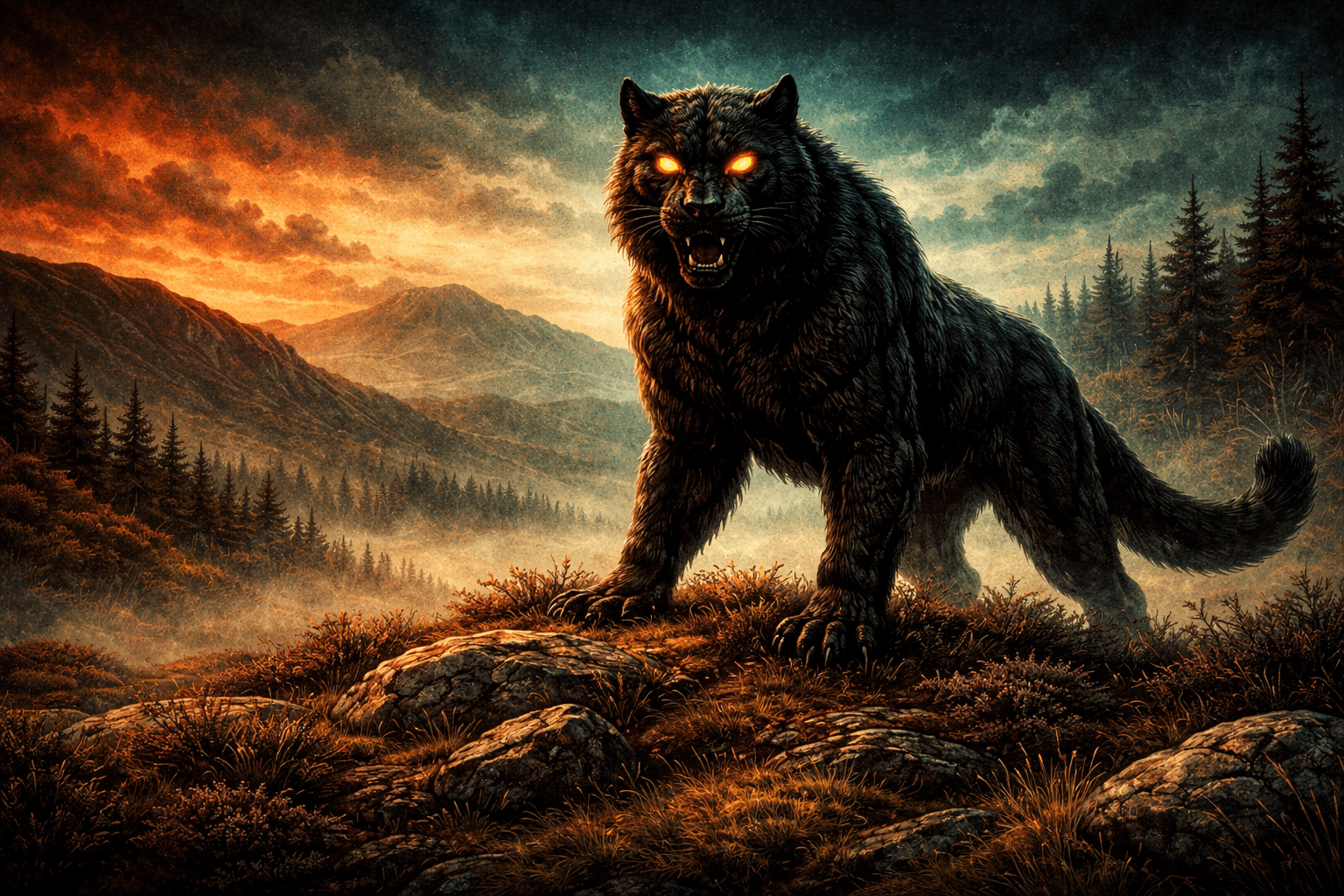
Canids, Felines & Land Beasts
Dogman, Chupacabra, phantom cats, hellhounds, and predator cryptids.
Open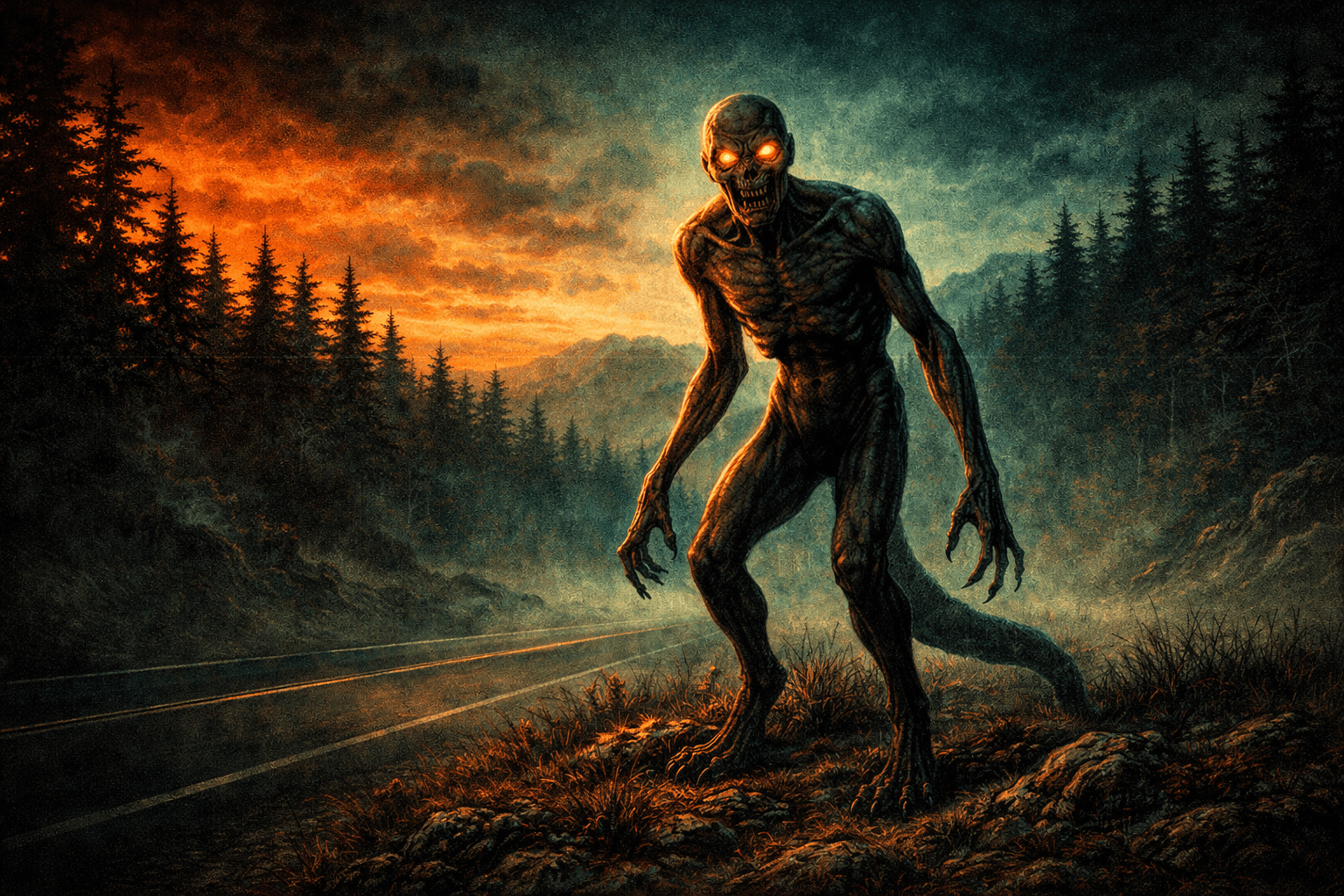
Humanoids & Liminal Beings
Wendigo, Crawlers, Dover Demon, and threshold-crossing entities.
Open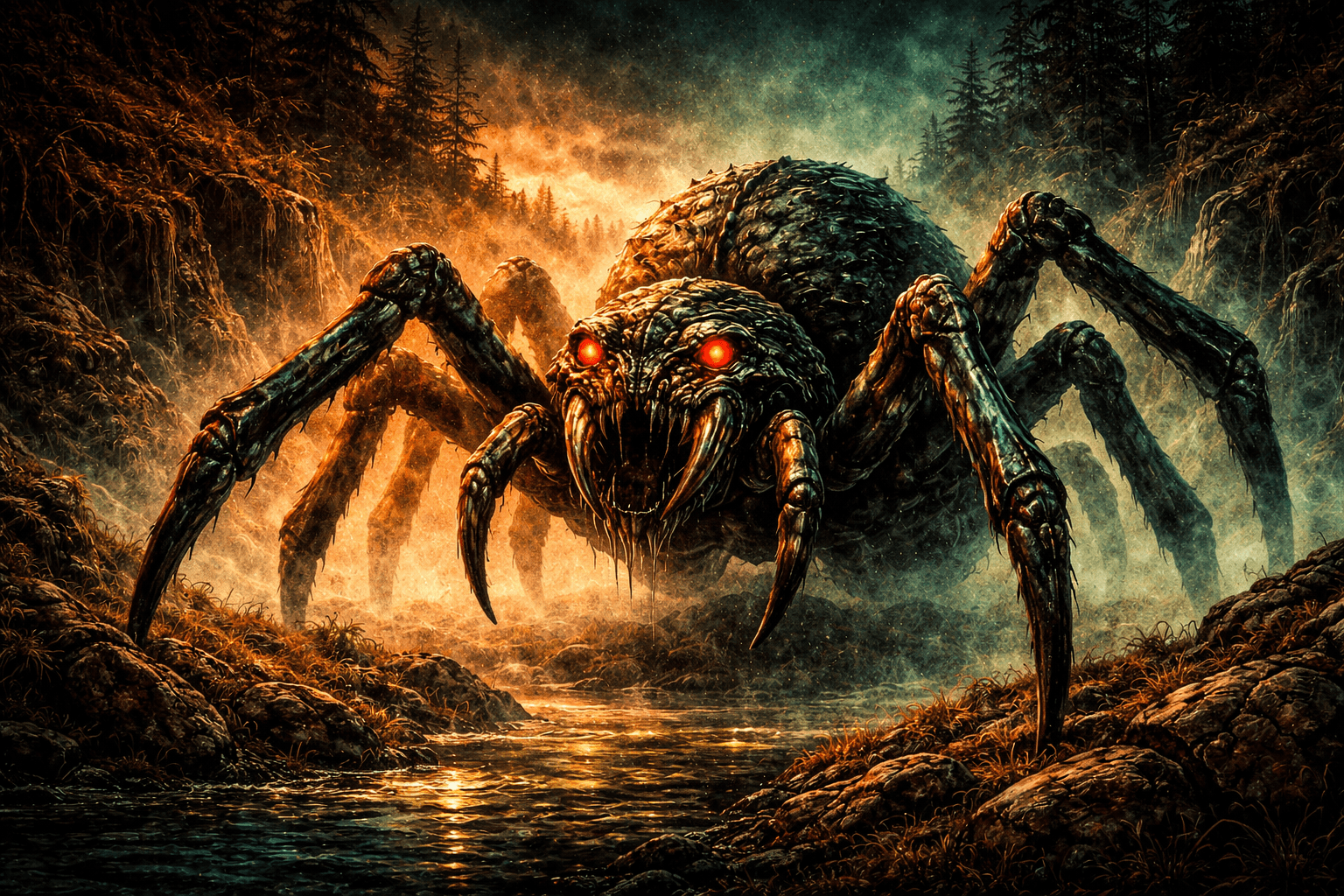
Insectoid & Arthropod Creatures
Giant insects, JBA/Fofi, and arthropod cryptid sightings.
Open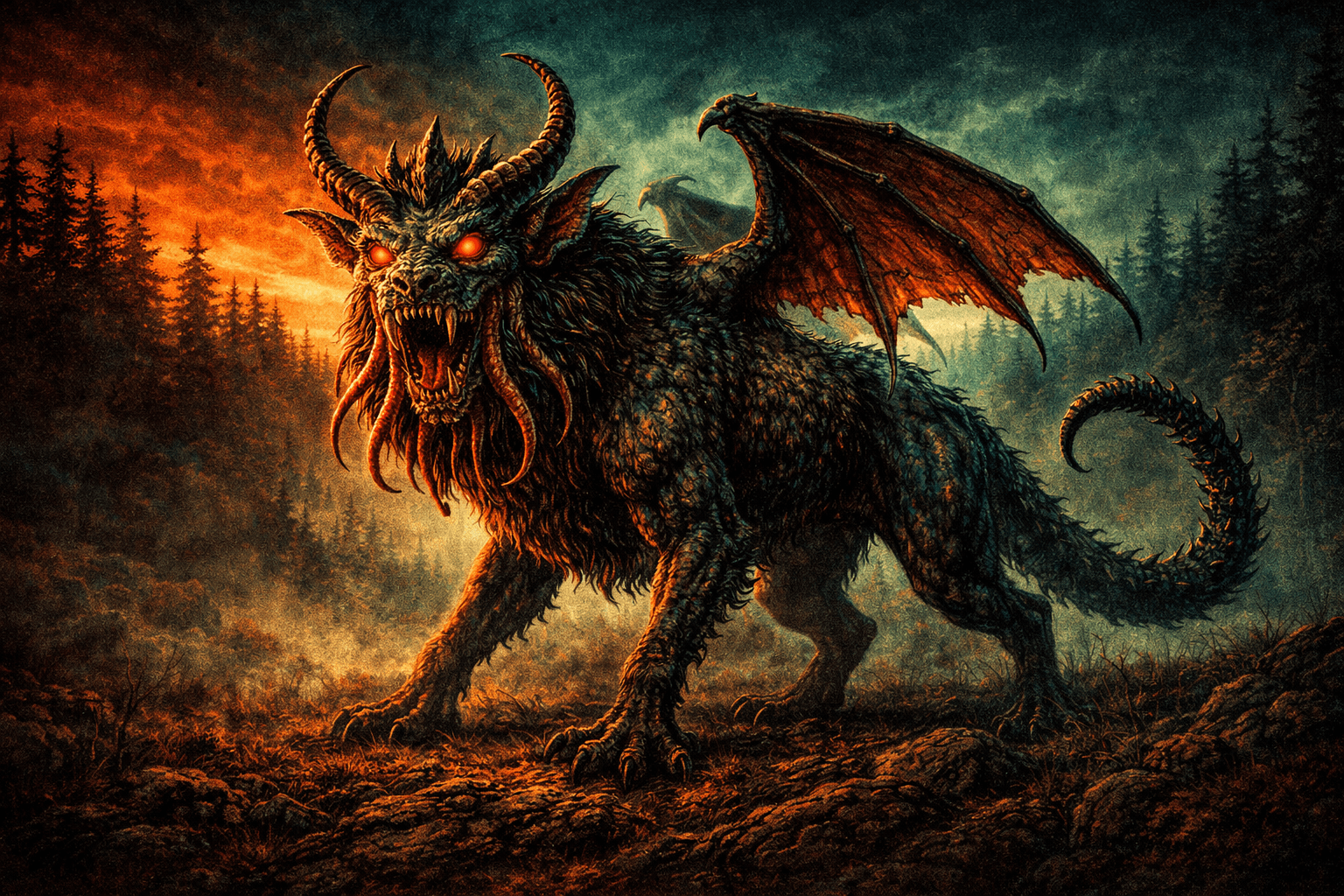
Folkloric & Anomalous Beasts
Jackalope, Hodag, Snallygaster, and regional folkloric creatures.
OpenDeep Lore, Mythology & Theories
Meta-content: archetypes, religious overlap, oral tradition, fringe theories, hoaxes, and high strangeness.
Deep Cryptid Lore
Archetypes, patterns, and why certain creatures recur across cultures.
Open
Mythology & Religion
Cryptids in sacred texts, religious symbolism, and spiritual traditions.
Open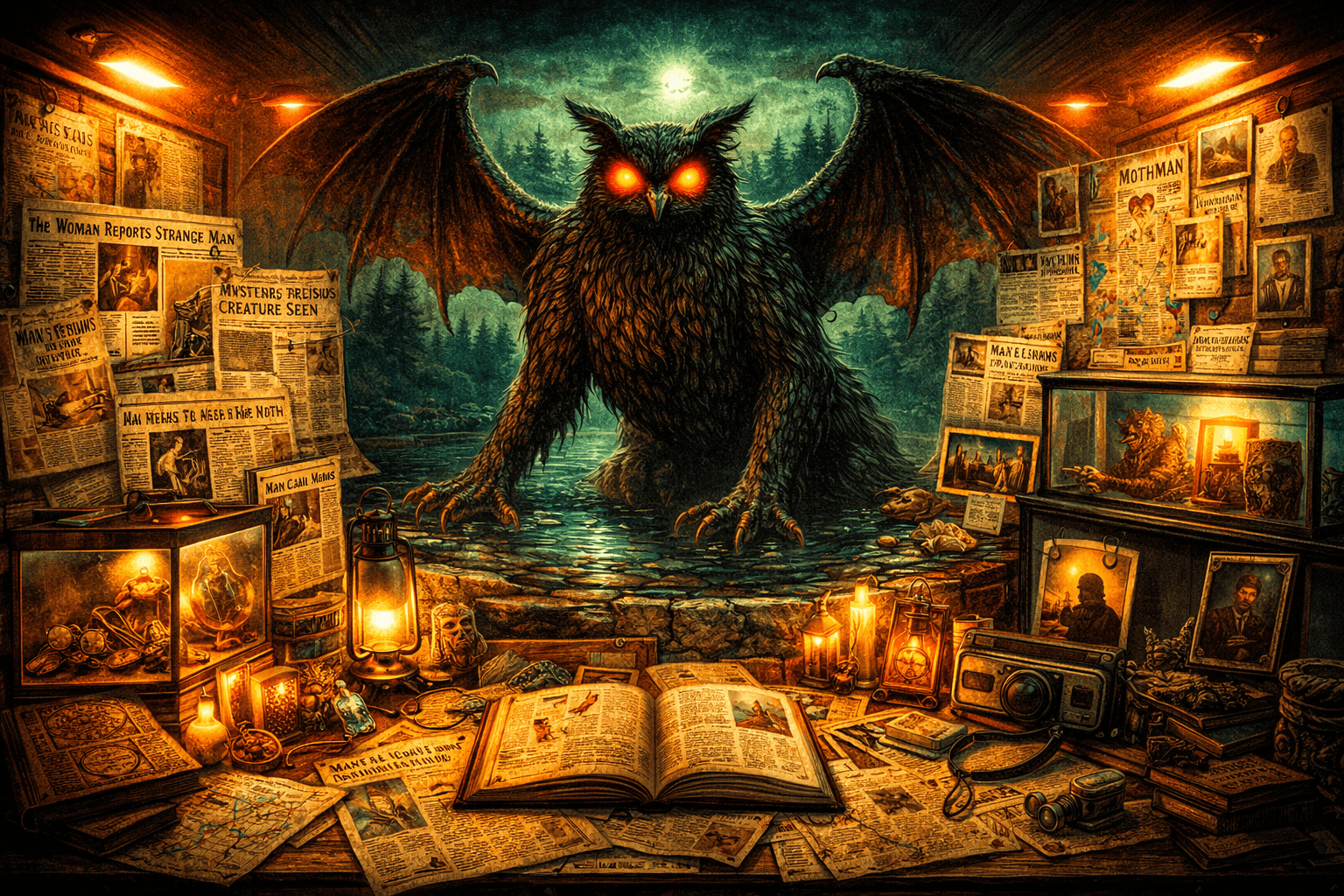
Folklore & Oral Traditions
Storytelling, campfire tales, and how creature lore survives across generations.
Open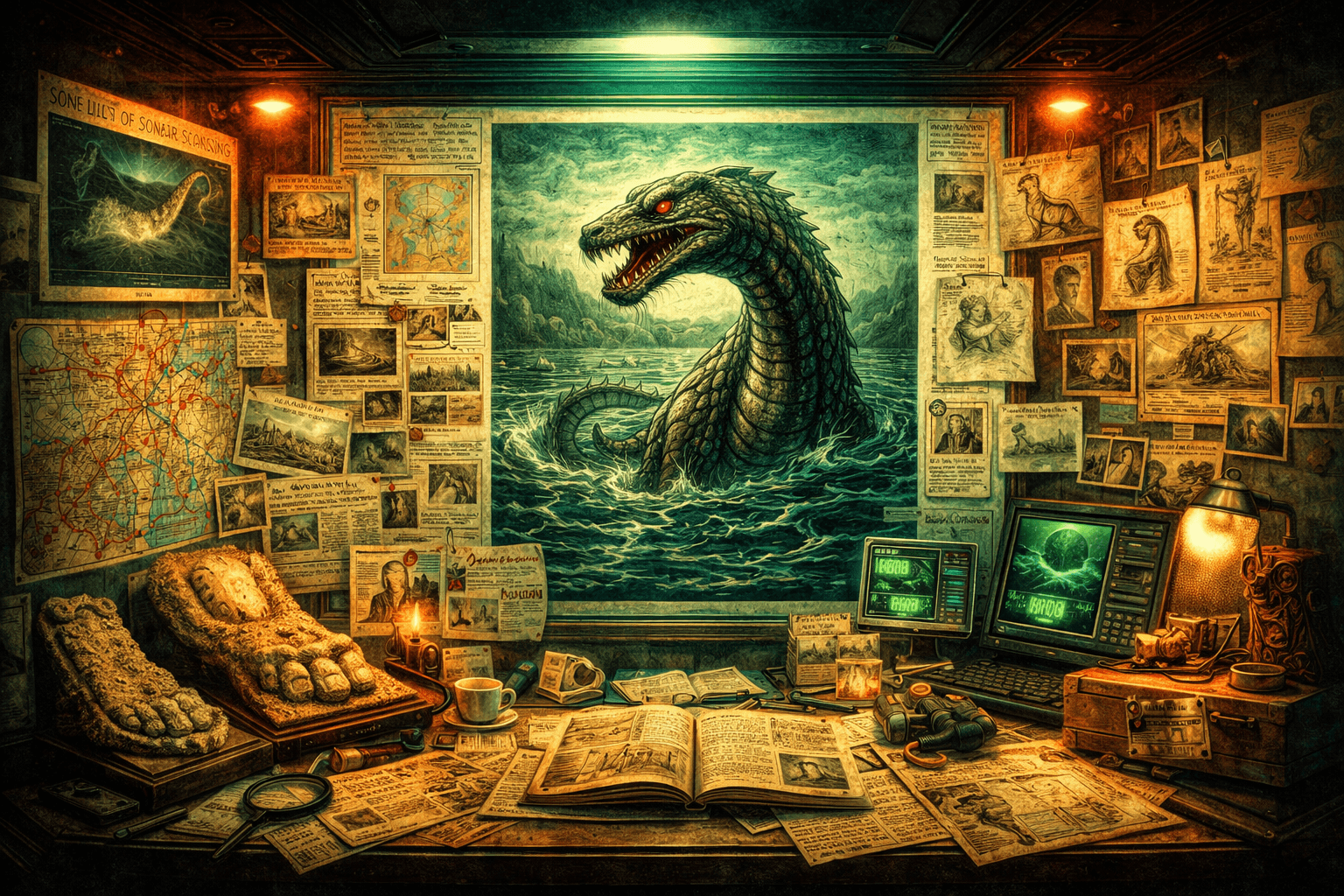
Theories
Relict species, misidentification, interdimensional, and fringe interpretations.
Open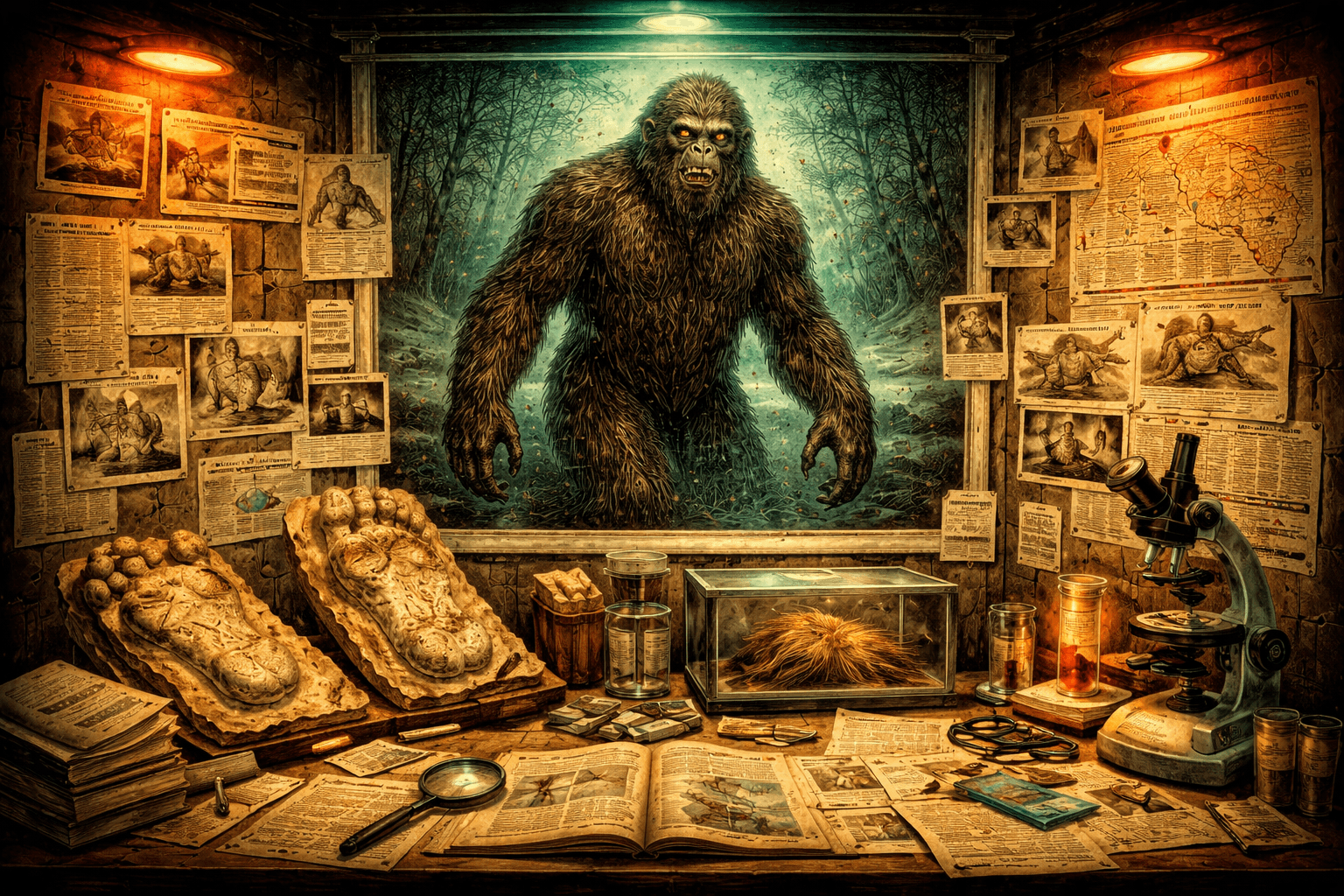
Hoaxes & Misidentifications
Staged encounters, mistaken identity, and how legends are manufactured.
Open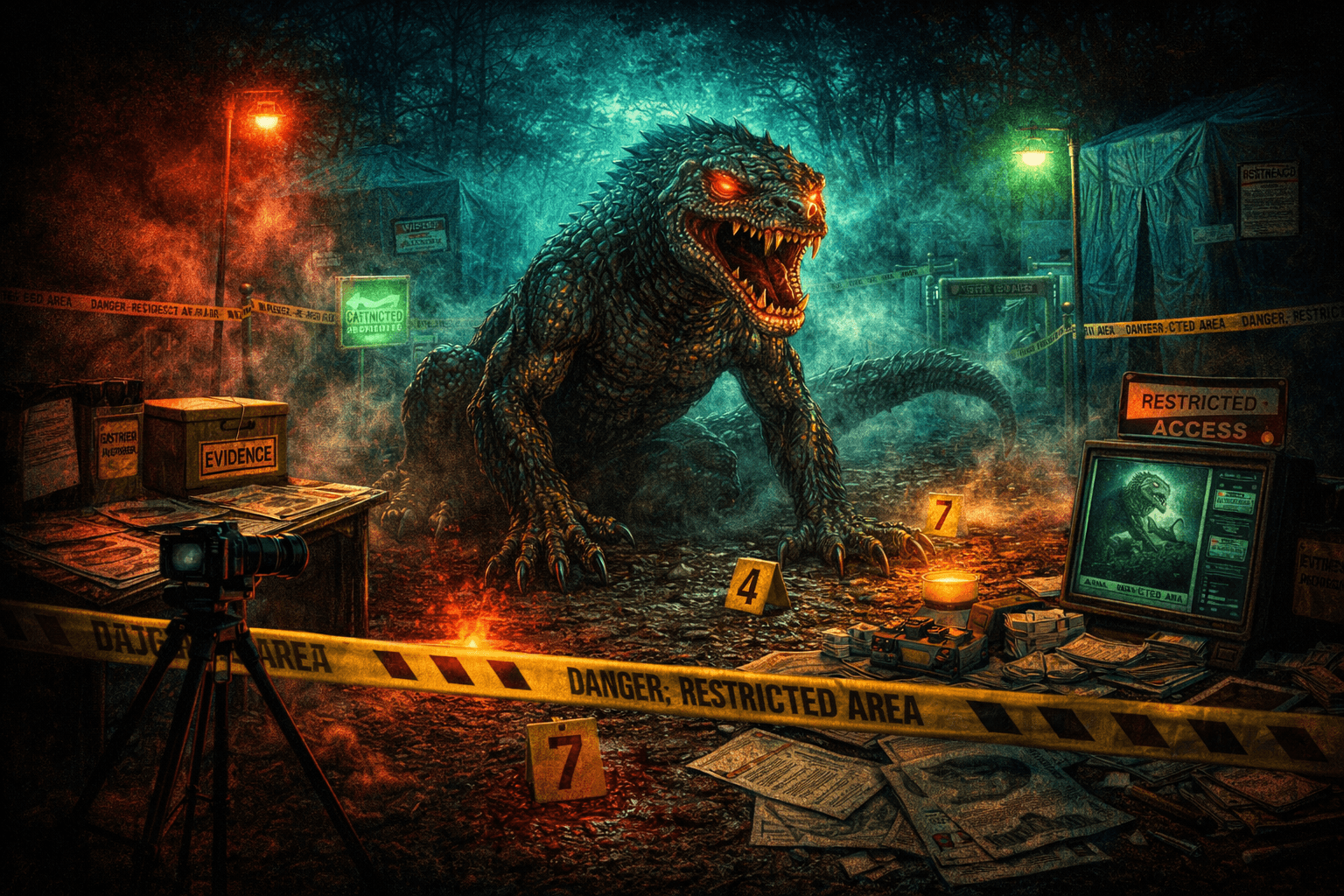
Conspiracies & High Strangeness
Government cover-ups, nuclear sites, and creature reports in fringe lore.
OpenFeatured Creatures
Flagship entries: the creatures that define cryptid lore and drive the most inquiry.
Bigfoot
The Pacific Northwest wild man and its global counterparts.
ReadMothman
The winged omen of Point Pleasant and disaster prophecies.
ReadJersey Devil
The Pine Barrens creature and the 1909 panic.
ReadChupacabra
The goat-sucker and its spread across the Americas.
ReadLoch Ness Monster
Scotland's most enduring lake monster tradition.
ReadYeti
The Himalayan wild man and high-altitude encounter lore.
ReadDogman
The upright canine cryptid of Michigan and beyond.
ReadThunderbird
Giant winged creatures and Native American traditions.
Read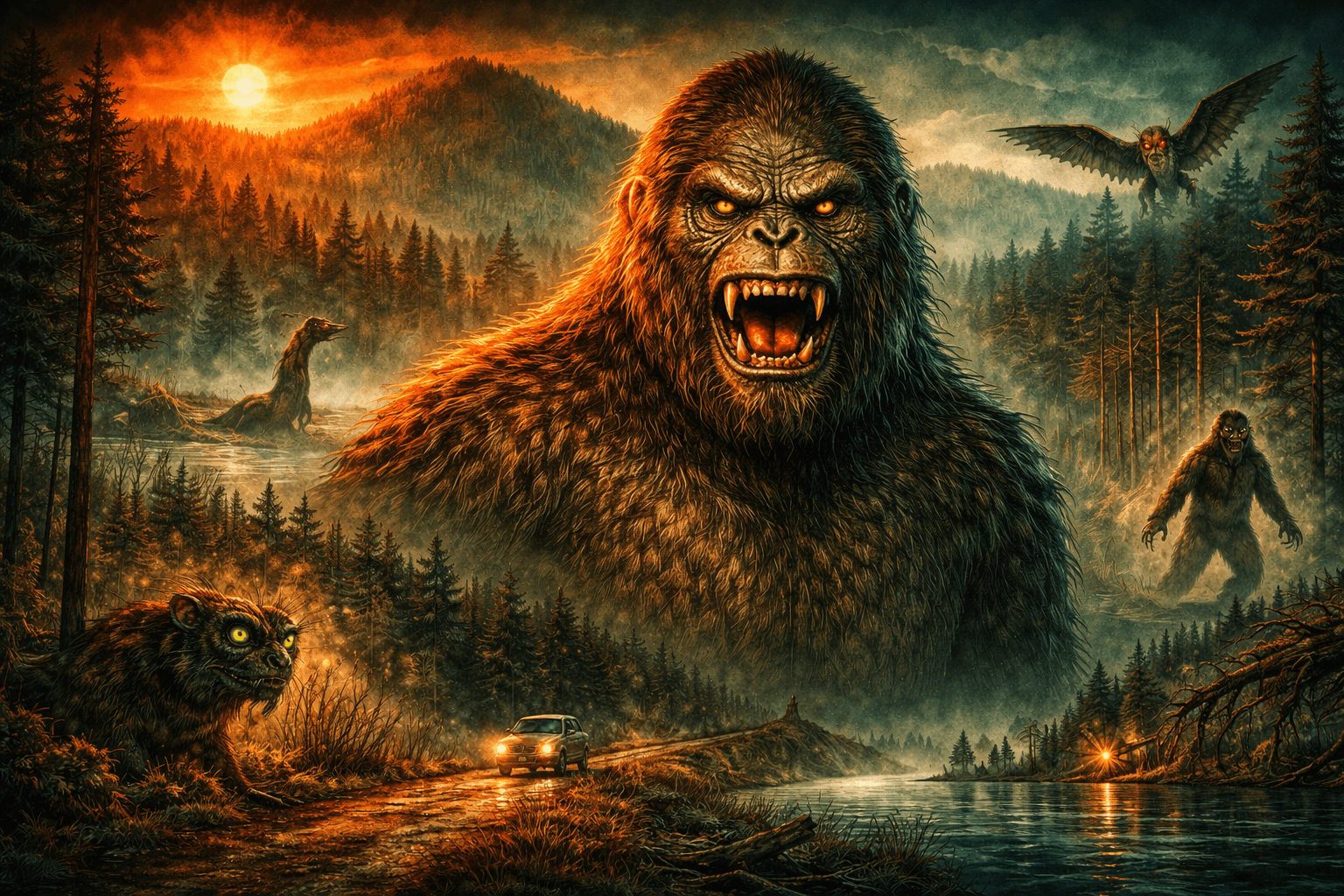
Browse by Region
Creature traditions vary by landscape, folklore, and local belief systems. Explore cryptid lore by geography.
Why This Archive Is Different
This is not a monster list. It combines cryptozoology, folklore, witness cases, mythology, religion, and fringe interpretation into a single navigable structure. We connect creature reports to symbolic and cultural patterns—why lake monsters emerge in certain landscapes, why winged humanoids appear before disasters, why wild man traditions span continents—and treat the archive as an encyclopedia of hidden life and anomalous beings. The goal is to support both the curious reader and the serious researcher.
Sightings, Evidence & Investigation
Encounter reports, evidence profiles, timelines, field guides, and the researchers and witnesses behind the stories.
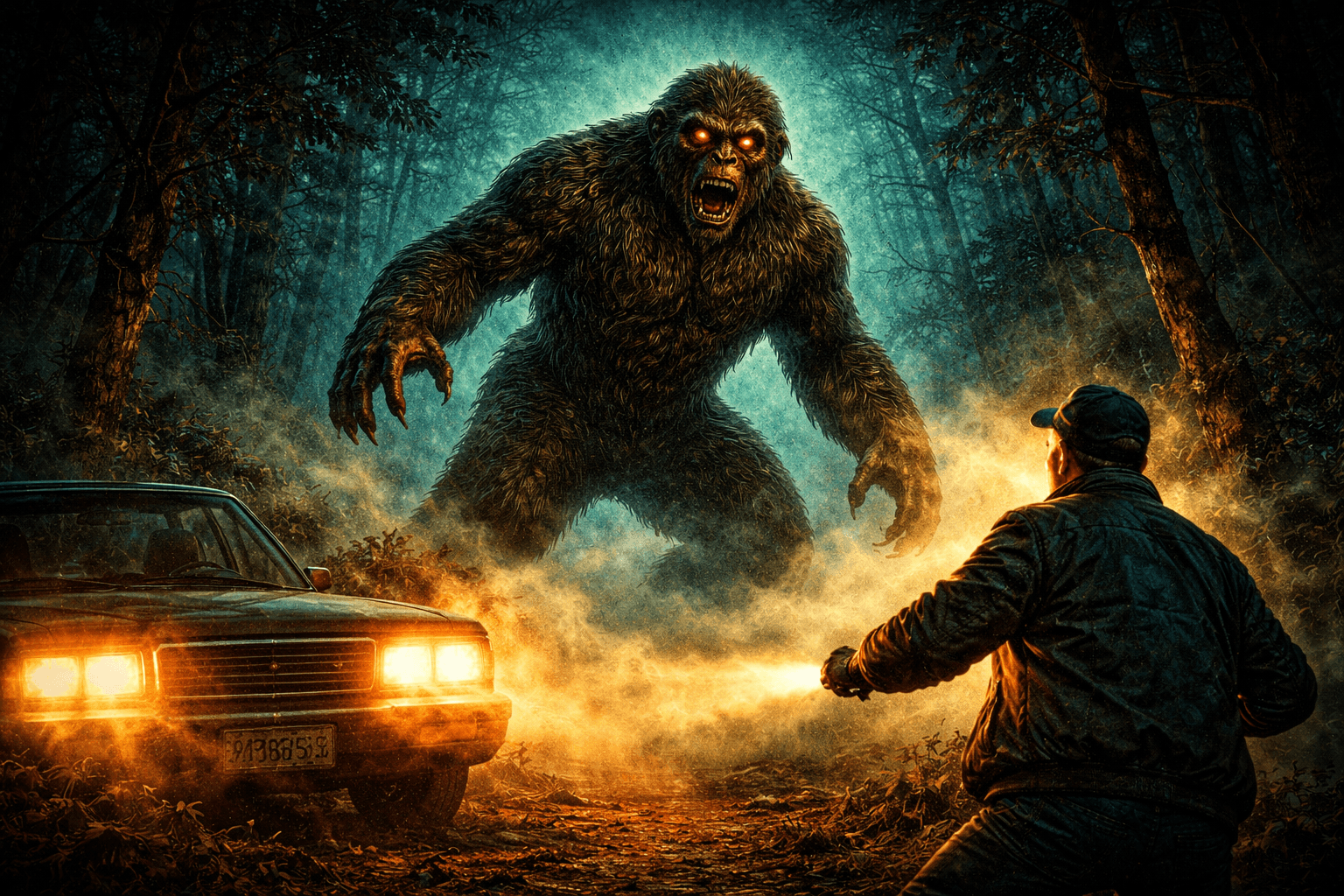
Encounters
Major sighting waves and documented encounters.
Open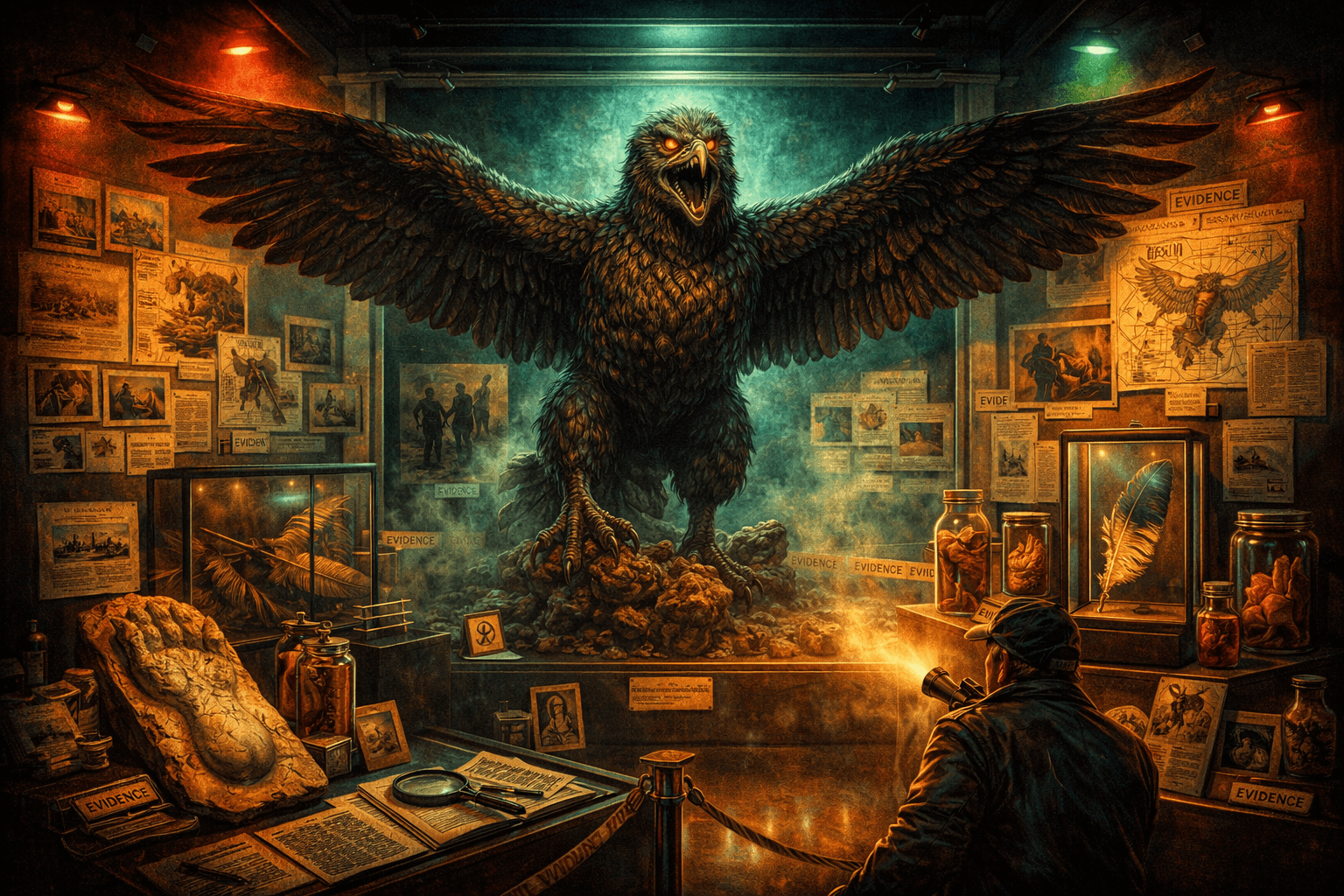
Evidence Archive
Trackways, film, sonar anomalies, and physical evidence.
Open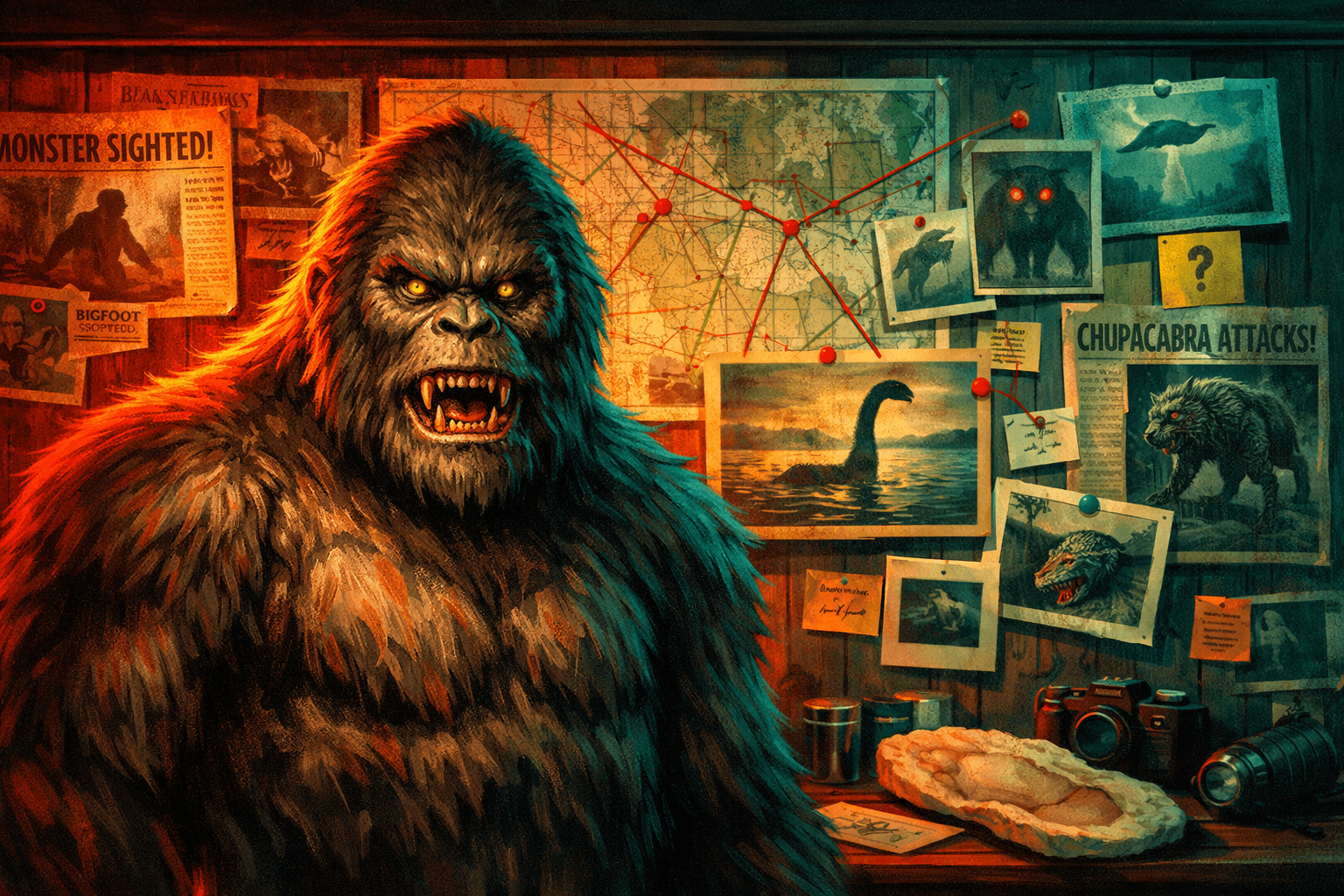
Timelines
Chronologies of cryptid history, flaps, and legend development.
Open
Field Guides
How to document sightings, evaluate evidence, and investigate.
Open
Researchers & Witnesses
Pioneers of cryptozoology and notable encounter testimonies.
Open